




When a commercial credit review takes five hours, it’s easy to assume the analysis itself is the bottleneck.
In reality, much of that time is often spent before an analyst begins evaluating the borrower.
Financial statements need to be collected, reviewed, standardized, reconciled, and validated before they can support meaningful credit decisions. The work is essential, but it isn’t the same as analyzing repayment capacity, identifying risk, or making a lending recommendation.
That distinction matters.
The goal is not to make experienced credit professionals think faster. It’s to reduce the time spent preparing information so they can spend more time applying the expertise only they can provide.
Key Takeaways
- A lengthy credit review often reflects time spent preparing financial data, not evaluating credit.
- Separating preparation from analysis helps identify where the process can be improved.
- Time to decision is a more meaningful performance metric than analyst hours alone.
- Faster preparation should strengthen, not replace, sound credit judgment.
Table of Contents
Where the Time Really Goes
A five-hour credit review rarely consists of five hours of credit analysis.
Before an analyst can evaluate a borrower’s financial health, they often spend significant time organizing statements, resolving inconsistencies, validating calculations, and preparing spreads.
Only then can they focus on the work that requires professional judgment: interpreting performance, assessing repayment capacity, identifying trends, and evaluating risk.
When these activities are viewed as one continuous process, it’s easy to assume analysts simply need to work faster. In reality, the greatest opportunity for improvement often exists earlier in the workflow.
Measure Time to Decision, Not Time in Analysis

Borrowers don’t experience document preparation, financial spreading, underwriting, and approval as separate internal processes.
They experience one timeline: how long it takes to receive an answer.
For lenders, the more meaningful metric is time to decision.
Preparation delays don’t just affect a single credit package. Across an entire pipeline, they can create backlogs, reduce analyst capacity, and slow responses to borrowers and relationship managers.
Instead of asking whether a review should take three hours or five, institutions should ask:
- How much of the process requires experienced credit judgment?
- Where do files spend the most time waiting?
- Which steps become bottlenecks as loan volume increases?
- How quickly can analysts begin meaningful borrower evaluation?
These questions reveal opportunities to improve efficiency without sacrificing rigor.
Preserve Judgment. Remove Friction.
Experienced analysts should spend their time understanding borrower performance, investigating exceptions, challenging assumptions, and applying institutional credit standards.
Subscribe to BeSmartee 's Digital Mortgage Blog to receive:
- Mortgage Industry Insights
- Security & Compliance Updates
- Q&A's Featuring Mortgage & Technology Experts
Preparation work is necessary, but it shouldn’t consume the majority of a credit professional’s day.
When financial information arrives organized, standardized, and ready for review, analysts can begin evaluating borrowers sooner and complete more reviews without compromising the quality of their decisions.
Improving the process isn’t about accelerating judgment. It’s about eliminating unnecessary work that delays it.
Building a Better Credit Analysis Process
Reducing turnaround time doesn’t require redesigning the entire lending operation. Small improvements upstream can significantly shorten the path from borrower documents to credit analysis.
Leading institutions focus on four areas:
- Cleaner inputs: Financial information is prepared before it reaches the analyst.
- Consistent structure: Standardized financials simplify comparisons across borrowers, reporting periods, and entities.
- Earlier issue detection: Missing or inconsistent information is identified before analysis begins.
- Greater analyst capacity: Credit professionals spend more of their time evaluating borrowers instead of preparing data.
Together, these improvements help institutions process more opportunities while maintaining consistent credit standards.
Shortening the Path to Credit Analysis
FlashSpread helps commercial lenders transform borrower financial information into standardized, decision-ready financial data faster.
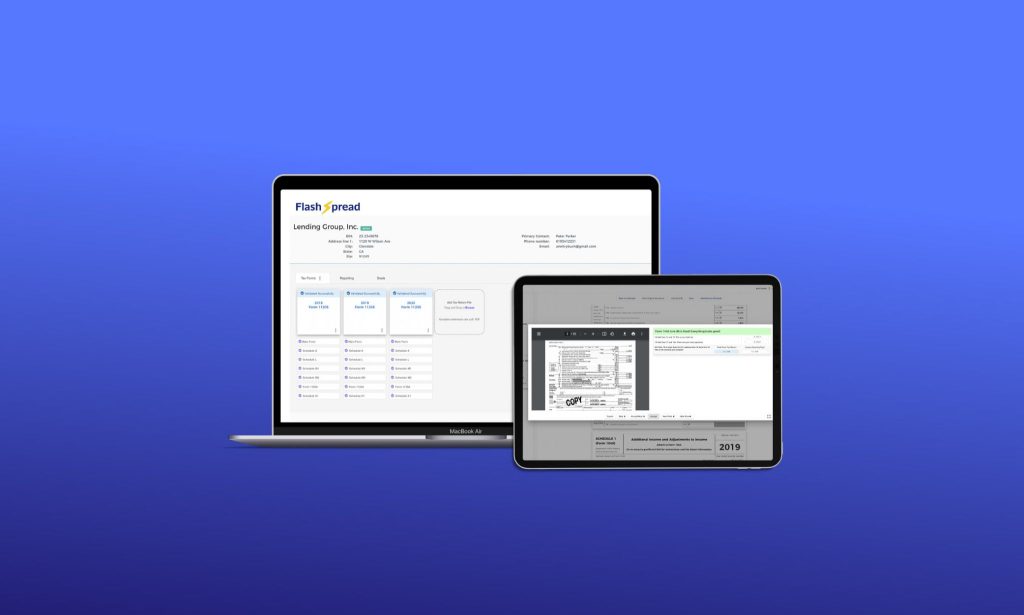
Instead of spending valuable time organizing and validating financial statements, analysts can begin evaluating borrower performance sooner.
The result is a more efficient credit workflow that enables lenders to:
- Start borrower analysis earlier.
- Complete more credit reviews.
- Respond faster to borrowers and relationship managers.
- Create a consistent foundation for every credit decision.
As lending volume grows, reducing manual preparation helps institutions scale without pulling experienced analysts away from the work that creates the most value.
Conclusion
A five-hour credit review doesn’t necessarily mean five hours of credit analysis.
Much of that time may be spent preparing financial information before meaningful evaluation can begin.
By reducing the manual work that precedes analysis, lenders can shorten time to decision while preserving the careful judgment that sound credit decisions require.
FlashSpread helps commercial lenders move from borrower documents to standardized, decision-ready financial data faster, allowing analysts to focus on evaluating opportunities instead of preparing them.
How much of your credit analysis process is actually spent analyzing credit? See how FlashSpread helps lenders shorten the path from borrower documents to decision-ready financial data.